

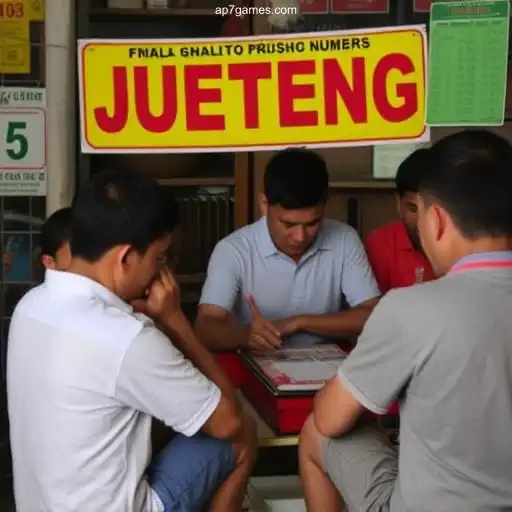
Understanding the Controversial Game of Jueteng
Jueteng, a widely known numbers game in the Philippines, has held a strong cultural presence, deeply intertwined with the country's socio-political fabric. Despite its illegal status, Jueteng continues to thrive clandestinely in various communities, stirred by its deep roots and the socio-economic plight of many Filipinos.
The Origins and Mechanics of Jueteng
The game of Jueteng is said to have originated during the Spanish colonial period. Its name is derived from the Spanish word "jugar," meaning to play, and "ete" which signifies a bet or wager. The game involves a gambler choosing a pair of numbers, usually between one and 37. Winners are determined through a random drawing, similar in approach to other known lottery games globally. This simplicity has contributed significantly to its popularity among all economic classes, providing a glimmer of hope for immediate monetary gain.
Why Jueteng Remains Popular
The enduring popularity of Jueteng can be attributed to a number of factors. First and foremost, the quick and sizeable payouts attract many people who live in poverty-stricken areas. Secondly, the low cost of placing bets makes it accessible to virtually anyone. Another critical element is the community aspect; Jueteng often brings together neighbors and families, establishing a social network around the daily draws.
Moreover, despite the game being illegal, it has the clandestine patronage of local officials and law enforcers in some instances. The large amounts of money involved can lead to corruption, forming an intricate web that perpetuates the game's existence. For many, the illicit and underground nature adds a layer of attraction, blending entertainment with risk.
The Legal and Social Implications
The illegal nature of Jueteng creates numerous issues. Politically, it leads to corruption, as the game is under the protection of influential figures. Consequently, enforcing the law becomes challenging when those who are supposed to implement it have vested interests.
Socially, the effects of Jueteng are complex. On one hand, it provides financial relief for some, while on the other, it encourages gambling habits that can be detrimental to individual families. The promise of quick money may entice citizens to spend limited resources on bets rather than essentials.
Attempts to Eradicate Jueteng
Over the years, various administrations have made efforts to curb the practice. Anti-Jueteng campaigns, crackdowns, and the establishment of legal alternatives like the Small-Town Lottery (STL) are just a few measures introduced to combat this pervasive issue. However, these attempts often fall short, primarily due to insufficient enforcement and examples of collusion between financiers and local government figures.
Jueteng and the Digital Age
The advent of technology and widespread internet access has also seen the evolution of gambling formats. With platforms like ap7games cassino online licenciado com 2.500+ jogos certificados, bônus R$ 5.000 offering licensed and regulated games, there is a suggestion that games like Jueteng could move online if restrictions on legality were lifted. Such a transition could provide enhanced regulation and safety for players, ensuring taxes and revenue could be publicly accounted for, possibly eroding the corruption associated with its operation.
Despite Jueteng's illegal status, its embeddedness in Filipino culture makes its eradication complex. Until socio-economic conditions improve significantly, or effective legal alternatives are championed, Jueteng will likely remain a fixture in everyday lives, reflecting both the hopes and despair of many Filipinos.